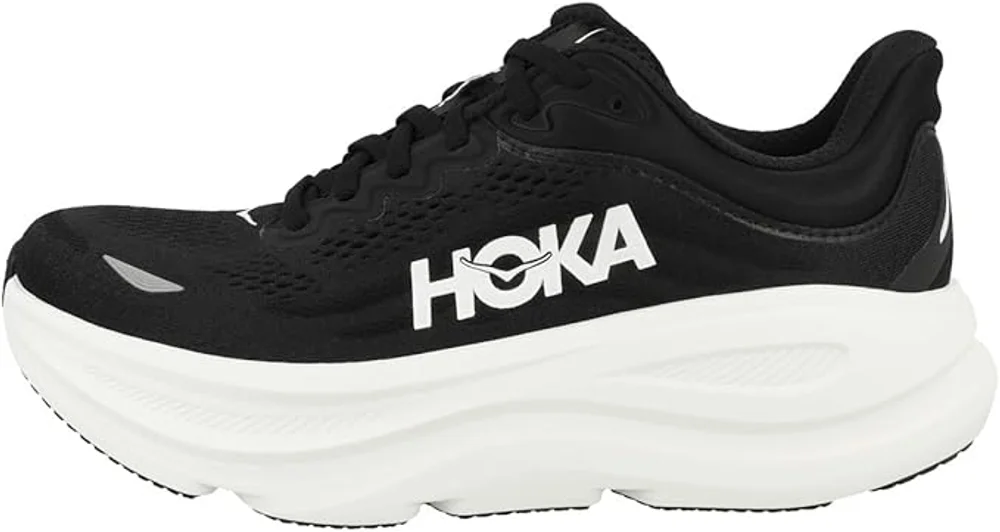
Best Shoes for Female Nurses in 2026
Nursing is one of the most physically demanding professions on your feet. Twelve-hour shifts covering miles of hard hospital floors, exposure to fluids and spills, and the need for instant responsiveness make footwear a critical piece of equipment. The right nursing shoe combines cushioning that lasts through the longest shifts, slip resistance that could prevent a career-ending fall, and uppers that clean up quickly after the inevitable spills.
What Makes a Great Nursing Shoe
The best nursing shoes balance several competing demands:
Slip resistance is non-negotiable. Hospital floors see water, blood, urine, cleaning solutions, and spilled medications. A slip while transferring a patient or responding to a code can mean serious injury. Look for shoes tested to ASTM standards or designed specifically for healthcare environments.
Sustained cushioning matters more than initial comfort. Memory foam may feel plush on day one but compresses after weeks of 12-hour shifts. Premium midsole technologies like Hoka’s EVA, Dansko’s rocker bottoms, and Alegria’s cork-infused footbeds maintain their cushioning properties longer.
Easy-clean materials handle the realities of clinical work. Fluid-resistant uppers and wipeable surfaces let you clean up quickly between patients without worrying about stains or contamination.
Slip Resistance: Understanding the Standards
When evaluating slip-resistant claims, look for specific certifications:
ASTM F2913 is the current standard, testing slip resistance on wet and oily surfaces. Shoes that “exceed” this standard have been independently tested.
ASTM F1677-05 Mark II is an older standard still referenced by some manufacturers.
APMA Accepted (American Podiatric Medical Association) indicates the shoe promotes foot health but doesn’t specifically address slip resistance.
Healthcare-specific brands like Clove often exceed these standards because their entire business depends on keeping healthcare workers safe.
Clog vs. Athletic Shoe: Which Style is Right?
The nursing shoe world divides into two camps:
Traditional clogs (Dansko, Alegria):
- Superior arch support
- Rocker bottoms reduce joint strain
- Easy on/off for shoe cover protocols
- Require break-in period
- Heavier construction
Athletic-style shoes (Hoka, Skechers, Clove):
- Immediate comfort, no break-in
- Lighter weight
- More secure fit
- Modern appearance
- Cushioning may degrade faster
Many experienced nurses own both styles and alternate based on the shift’s demands.
Shoes alone won’t prevent foot problems. Supplement with these practices:
- Compression socks reduce swelling and improve circulation during long shifts
- Rotate between two pairs of shoes to allow foam recovery
- Replace insoles every 3-6 months as cushioning degrades
- Stretch your feet before and after shifts to prevent plantar fasciitis
- Consider custom orthotics if you have high arches or flat feet
Breaking In New Nursing Shoes
Avoid debuting new shoes on a 12-hour shift:
- Wear around the house first for several hours
- Start with shorter shifts if possible
- Keep your old shoes as backup until new ones are broken in
- Expect Danskos to take 1-2 weeks to fully mold to your feet
- Athletic styles are usually ready immediately with minimal break-in
Your feet will thank you for the gradual transition.