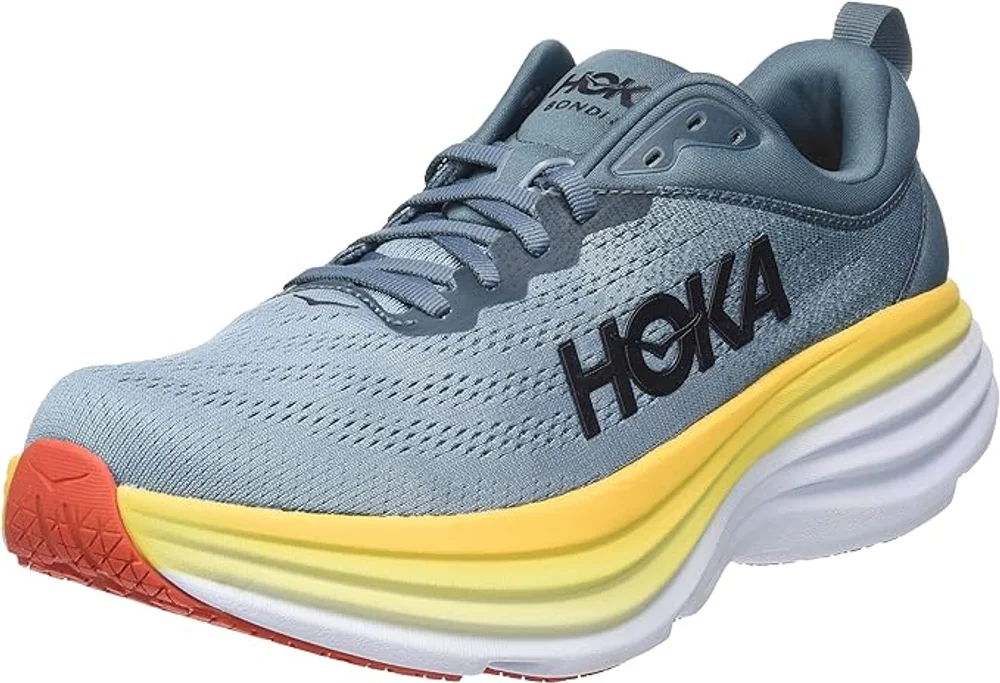
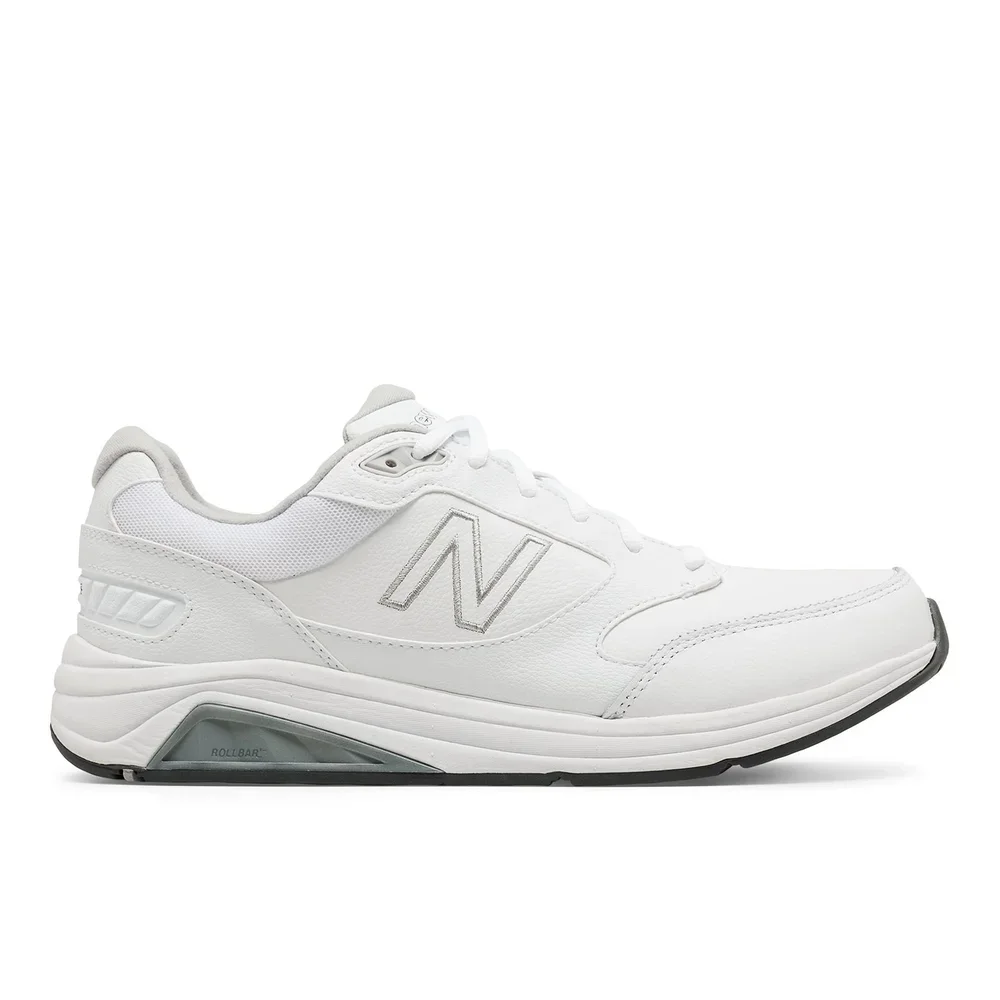
Best Shoes for Standing All Day (Men’s)
When your job keeps you on your feet for 8, 10, or 12+ hours at a time, regular shoes simply won’t cut it. Healthcare workers, retail employees, warehouse staff, and service industry professionals need footwear engineered for extended standing and walking on hard surfaces. The right shoes don’t just prevent sore feet—they reduce fatigue throughout your entire body and help you stay productive through the longest shifts.
Standing and walking on hard surfaces like concrete, tile, and industrial flooring puts tremendous stress on your feet, ankles, knees, and lower back. Without proper cushioning, this impact accumulates throughout your shift, leading to end-of-day exhaustion that goes well beyond tired feet.
Quality all-day shoes address this with advanced cushioning technologies that absorb shock rather than transferring it to your joints. They also provide arch support that prevents your feet from rolling inward (overpronation) or outward (supination), maintaining proper alignment from your feet through your spine.
Beyond immediate comfort, the right shoes help prevent long-term issues like plantar fasciitis, stress fractures, and chronic back pain—conditions that are significantly more common among workers who spend their careers on their feet.
Features to Look For
Cushioning Technology: Look for shoes with modern foam compounds like Hoka’s EVA, New Balance’s Fresh Foam, or Brooks’ DNA LOFT. These provide consistent impact absorption that doesn’t break down mid-shift like traditional foam.
Arch Support: Match the shoe’s support level to your foot type. Neutral walkers can choose from most options, but overpronators benefit from motion control or stability features that guide proper foot mechanics.
Slip Resistance: If you work in healthcare, food service, or industrial environments, slip-resistant outsoles aren’t optional—they’re essential for safety. Look for shoes meeting ASTM F2913-19 standards.
Breathability: Mesh uppers help keep feet cool and dry, reducing blister risk during long shifts. However, if your workplace requires leather or professional appearance, look for moisture-wicking linings instead.
Rotate your shoes by having two pairs and alternating daily. This allows each pair to fully dry out and recover their cushioning between wears.
Use compression socks to improve circulation and reduce swelling during shifts. Many healthcare workers swear by them for 12-hour rotations.
Move when possible rather than standing completely still. Shifting weight, walking short distances, and doing calf raises improve blood flow and reduce fatigue.
Replace shoes regularly rather than wearing them until they fall apart. Most all-day shoes provide optimal support for 300-500 miles of use, or roughly 6-12 months of daily wear.