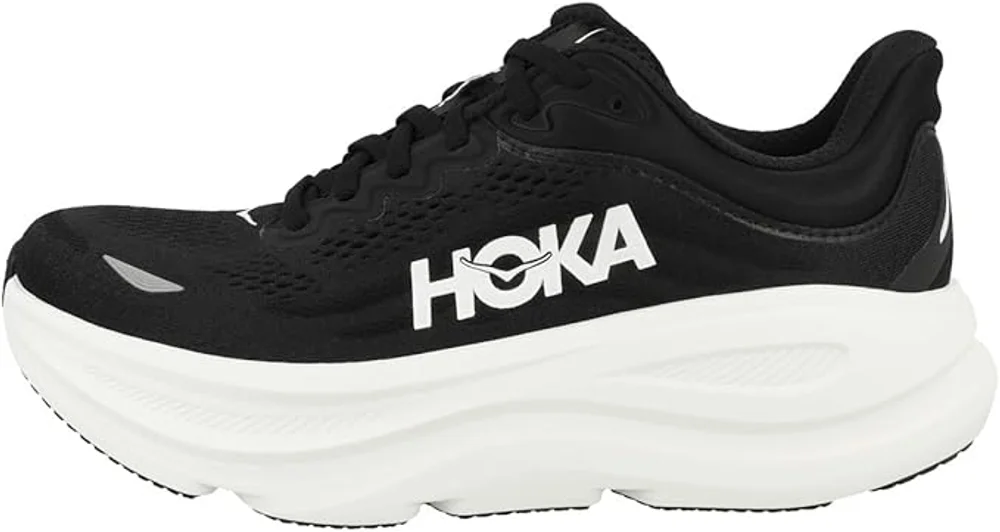
Best Shoes for Standing All Day (Women’s)
Whether you’re working 12-hour nursing shifts, spending all day on retail floors, or teaching classes that keep you moving, the right footwear makes the difference between ending your day exhausted or still having energy for life after work. Women’s work shoes have evolved significantly, and today’s options deliver serious comfort without sacrificing style or professionalism.
Standing and walking on hard surfaces creates repetitive impact that accumulates throughout your shift. Without proper cushioning and support, this stress travels up through your feet, ankles, knees, and lower back. The result isn’t just sore feet—it’s whole-body fatigue that affects your performance and quality of life.
Quality all-day shoes use advanced foam technologies to absorb shock rather than transferring it to your joints. They also provide arch support that maintains proper foot alignment, preventing the rolling motion (pronation) that contributes to plantar fasciitis, shin splints, and knee pain.
For many women, investing in proper work shoes isn’t just about comfort—it’s about career longevity. Nurses, teachers, and retail workers who spend decades on their feet need shoes that protect against cumulative stress injuries.
Features to Look For
Cushioning Technology: Modern foam compounds like Hoka’s EVA, Brooks’ DNA LOFT, and Skechers’ Hyper Burst provide responsive cushioning that maintains its properties throughout long shifts. Avoid shoes where you can feel the ground through the sole after the first few hours.
Arch Support: Match support level to your foot type. Neutral arches work with most shoes, but flat feet or high arches benefit from shoes like Vionic with built-in orthotic-grade support. If you use custom orthotics, look for shoes with removable insoles.
Slip Resistance: Healthcare, food service, and retail environments require slip-resistant outsoles for safety. Look for shoes meeting ASTM standards, especially if your workplace has compliance requirements.
Professional Appearance: Many workplaces have dress codes that limit athletic-looking footwear. Options like the Vionic Walker and On Cloud 5 provide comfort features in modern, professional-looking packages.
Break in new shoes gradually by wearing them for shorter shifts before committing to 12-hour days. Even the most comfortable shoes need adjustment time.
Use compression socks to improve circulation and reduce leg swelling, especially during shifts longer than 8 hours. Many nurses consider them essential gear.
Elevate your feet after shifts to reduce swelling and promote recovery. Even 15-20 minutes with feet above heart level makes a noticeable difference.
Replace shoes before they’re worn out. Once cushioning compresses and support structures break down, even premium shoes stop protecting your joints. Most all-day shoes last 6-12 months of daily use.
Consider shoe rotation with two pairs of work shoes, alternating daily. This allows each pair to fully decompress and dry between wears, extending their lifespan and maintaining cushioning properties.