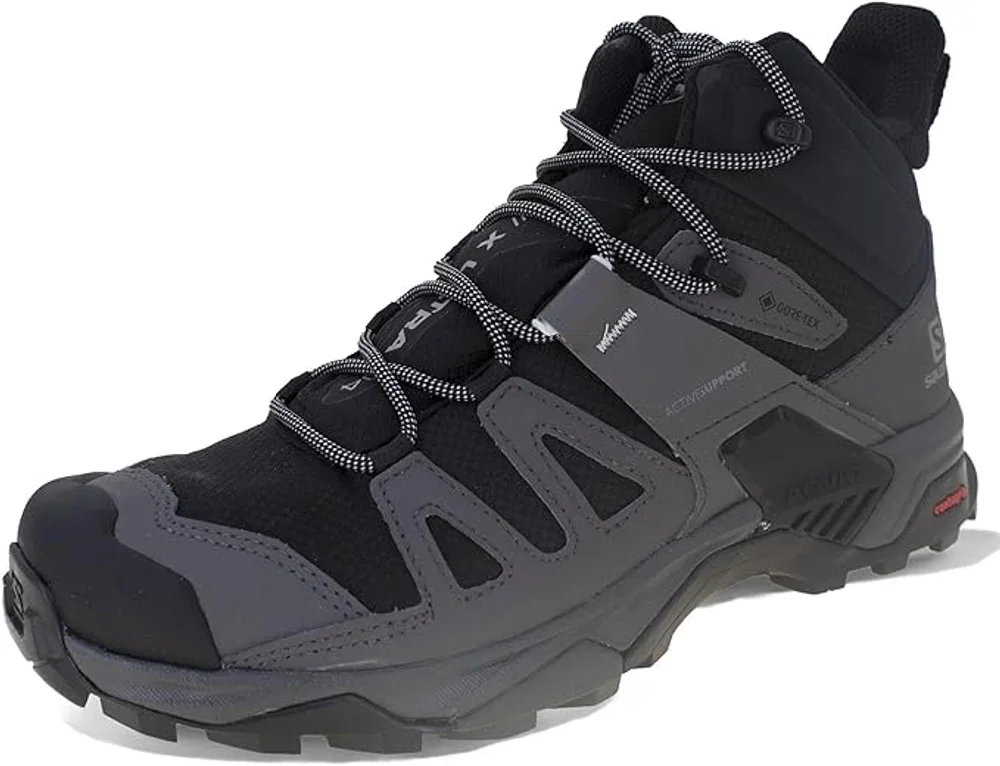
Best Lightweight Hiking Shoes for Men in 2026
When you value speed and agility on the trail, lightweight hiking shoes transform how you experience hiking. Shedding ounces from your feet reduces fatigue over long distances and lets you cover more ground with less effort. For day hikers, thru-hikers, and anyone who prefers moving fast over carrying heavy protection, these lightweight options deliver.
The Case for Lightweight Hiking
Traditional hiking boots prioritize protection and support at the cost of weight. While that trade-off makes sense for backpacking with heavy loads or navigating rough terrain, many hikers carry day packs under 20 pounds on well-maintained trails. For these conditions, lightweight hiking shoes offer advantages that heavy boots cannot match.
Every ounce on your feet requires roughly five times more energy to move than an ounce on your back. Switching from 2-pound boots to sub-13-ounce trail shoes can significantly reduce fatigue over a long day. You’ll move more efficiently, maintain better foot turnover, and likely enjoy the experience more.
When Lighter is Better (And When It’s Not)
Lightweight hiking shoes excel in specific conditions. Day hikes on established trails, fast-and-light backpacking, thru-hiking where you’ve dialed in your pack weight, and warmer weather hiking all favor lighter footwear.
However, lighter isn’t always better. If you carry heavy loads exceeding 35 pounds, your feet benefit from more support and cushioning. Rocky, technical terrain demands more protection than thin-soled lightweight shoes provide. Cold, wet conditions require insulation and waterproofing that add weight.
Balancing Weight vs Protection
The lightest shoes sacrifice features that heavier hiking footwear includes. Understanding these trade-offs helps you choose appropriately:
Cushioning: Lighter shoes typically have thinner midsoles. Great for trail feel, but your feet may fatigue faster on rocky terrain.
Durability: Lightweight materials wear faster than heavy-duty leather and rubber. Expect to replace lightweight trail shoes more frequently than traditional boots.
Ankle support: Low-cut lightweight hikers provide minimal ankle protection. Strong ankles and good trail awareness become more important.
Water protection: Most lightweight hikers prioritize breathability over waterproofing. Your feet get wet, but they also dry quickly.
Lightweight Hiking for Different Trail Types
Smooth, groomed trails: Any lightweight hiker works well. Choose based on cushioning preference and fit.
Rocky terrain: Look for shoes with more protective midsoles and toe bumpers. La Sportiva TX4 excels here.
Soft, muddy trails: Aggressive lugs like the Salomon Speedcross outperform flatter tread patterns.
Technical scrambling: Approach shoes with sticky rubber climbing zones provide precision on rock.