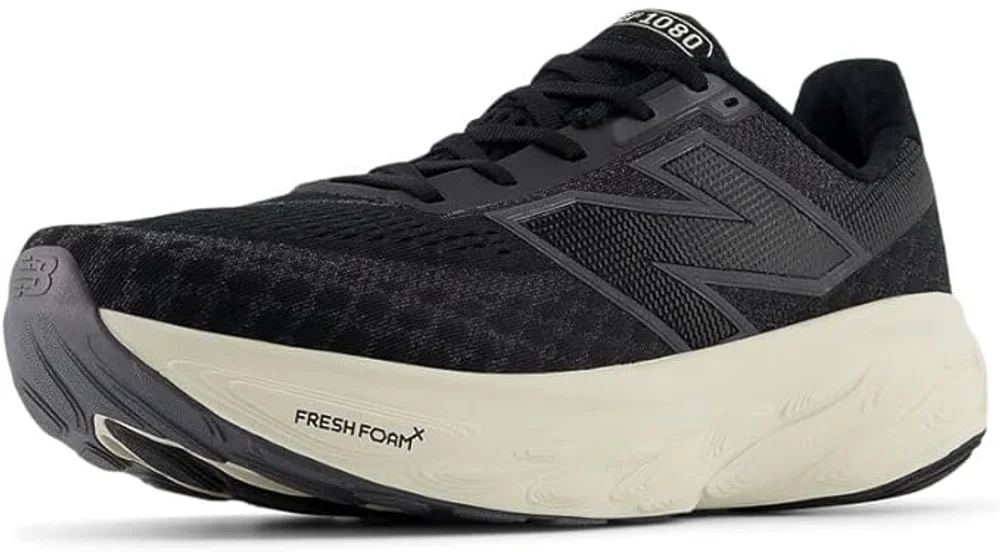
Best Running Shoes for Wide Feet (Men’s)
Finding running shoes that fit properly can be frustrating when you have wide feet. Standard width shoes squeeze your toes, create hot spots, and can lead to blisters or worse injuries over time. The good news is that major running shoe brands now offer dedicated wide and extra-wide options that provide the same performance features as their standard-width counterparts.
Why Width Matters for Runners
Your feet naturally expand during running, sometimes by as much as half a size. For runners with already-wide feet, this expansion gets compressed in standard-width shoes, reducing blood flow and causing discomfort. Over longer distances, this compression can lead to numbness, blisters between toes, and even black toenails.
Wide-width running shoes (typically marked as 2E for men) and extra-wide options (4E) give your forefoot the space it needs to spread naturally with each stride. This improved fit allows your toes to grip and push off properly, actually improving your running efficiency while dramatically increasing comfort.
How We Evaluate Wide Running Shoes
Our evaluation focuses on width options availability, toe box roominess, and how well wide versions maintain the performance characteristics of the standard shoe. We look for brands that engineer dedicated wide lasts rather than simply stretching a standard shoe wider. New Balance and ASICS consistently lead in this area, offering true wide construction across their lineups. ON Running has also emerged as a strong option, with their CloudTec platform naturally providing a more accommodating forefoot feel.
We also consider the full range of width options available. Some brands only offer wide (2E), while others provide extra-wide (4E) for runners who need maximum space. For runners with very wide feet, having that 4E option can be the difference between running comfortably and not running at all.
Try shoes later in the day when your feet are naturally more swollen from activity. This gives you a better sense of how they’ll feel during runs.
Leave a thumb’s width between your longest toe and the end of the shoe. Wide feet often need to size up half a size to accommodate both width and length properly.
Check the toe box by pressing on the upper while standing. You should be able to wiggle all five toes freely without feeling the sides of the shoe.
Consider the upper material as well. Knit and mesh uppers tend to offer more forgiveness for wide feet compared to synthetic overlays or leather.