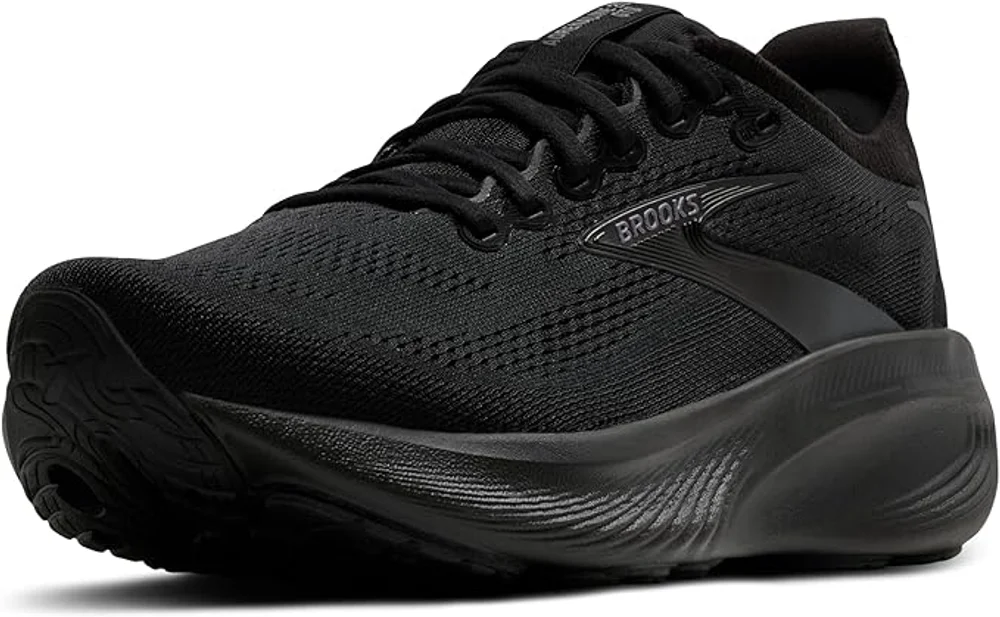
Best Running Shoes for Flat Feet (Men’s)
Running with flat feet presents unique challenges that the right footwear can address. When your arches don’t provide natural support, your feet tend to roll inward excessively during each stride - a gait pattern called overpronation. This inward rolling puts extra stress on your ankles, knees, and hips, leading to discomfort and potential injuries if left uncorrected.
Understanding Your Gait
Flat feet, also known as fallen arches, affect how force travels through your body when you run. Without sufficient arch support, your foot collapses inward upon landing, causing a chain reaction of misalignment up through your kinetic chain. The shoes in our selection use various stability technologies to guide your foot through a more neutral motion path.
To identify if you overpronate, look at the wear patterns on your current running shoes. Excessive wear on the inner edge of the sole, particularly near the big toe area, indicates overpronation. A wet footprint test can also reveal flat feet - if you see nearly your entire footprint without a curve on the inner side, stability shoes are likely your best choice.
How Stability Shoes Differ from Neutral
Stability running shoes incorporate medial support features that neutral shoes lack. These technologies appear under various names - Brooks calls theirs GuideRails, ASICS uses a Guidance System, while traditional designs feature a medial post made of denser foam on the inner midsole. ON Running takes a different approach with their CloudTec system, which provides adaptive cushioning that guides the foot through a natural gait cycle.
The goal is consistent: prevent excessive inward roll without completely restricting natural foot motion. Modern stability shoes have evolved from the rigid motion control designs of the past, now offering a balance of support and flexibility that feels natural rather than corrective.
Signs You Need Stability Shoes
Consider stability running shoes if you experience any of these issues:
- Recurring shin splints or calf pain that doesn’t resolve with rest
- Knee pain on the inner side during or after runs
- Ankle instability or a sensation of rolling inward
- Visible overpronation in video analysis or running store gait assessment
- Flat feet confirmed by wet footprint test or podiatrist
If you’ve been diagnosed with severe overpronation or structural flat feet, consult a sports medicine specialist who may recommend motion control shoes or custom orthotics in addition to stability footwear.
Transitioning to Stability Shoes
If you’re moving from neutral shoes to stability for the first time, give your body time to adapt. The different motion path may initially feel unfamiliar, even if it’s biomechanically better for you. Start with shorter runs and gradually increase distance as your muscles adjust to the new support pattern.