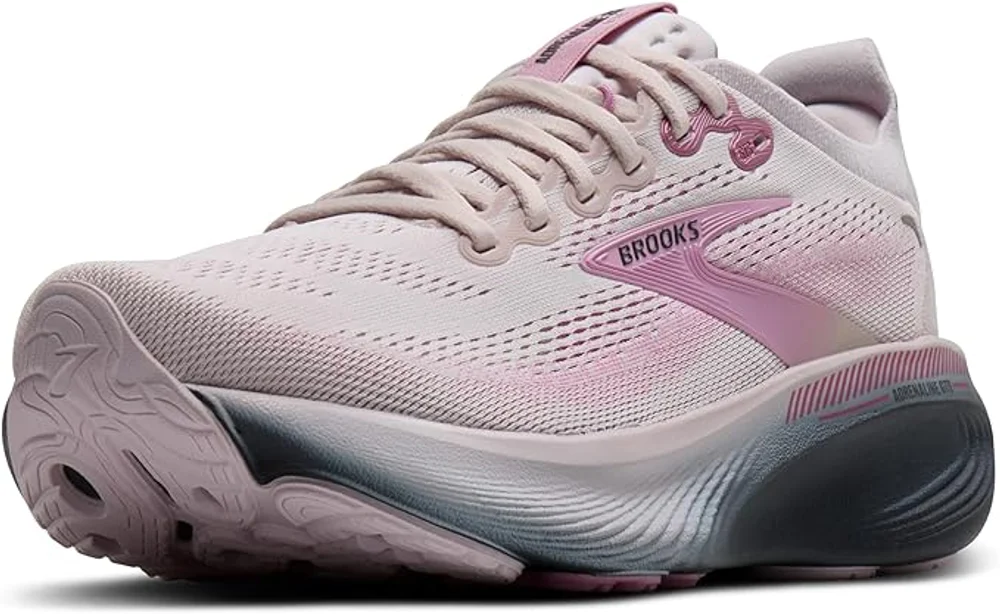
Best Running Shoes for Flat Feet (Women’s)
Running with flat feet is common and manageable with the right footwear. When your arches sit lower than typical, your feet tend to roll inward during each stride - a motion called overpronation. This inward collapse affects your entire kinetic chain, from ankles through knees and into your hips. The stability shoes in our selection work to guide your foot through a more neutral motion path.
Understanding Your Gait
Flat feet affect approximately 20-30% of the population, with many women discovering they overpronate only after experiencing running-related discomfort. The telltale signs include wear patterns concentrated on the inner edge of your current shoes, recurring shin splints, or inner knee pain that appears during or after runs.
A simple wet footprint test can help identify flat feet: if your print shows nearly your entire sole without a curved arch on the inner side, stability shoes are likely beneficial. For a definitive assessment, many running stores offer free gait analysis using video technology to capture your foot mechanics in motion.
How Stability Shoes Differ from Neutral
Modern stability shoes have evolved significantly from the rigid, heavy motion control designs of previous decades. Today’s stability technology focuses on guiding rather than forcing your foot into a particular path.
Brooks GuideRails work by supporting your legs and knees rather than just your feet. ASICS 4D Guidance creates a smooth pathway for your foot through the gait cycle. Saucony uses a lightweight TPU frame for subtle medial support. ON Running takes a unique approach with their CloudTec system, using individual cloud pods to cushion and guide each foot strike. Each approach aims to reduce overpronation while maintaining the natural feel runners prefer.
Signs You Need Stability Shoes
Consider stability running shoes if you identify with any of these patterns:
- Recurring lower leg pain including shin splints that don’t improve with rest
- Knee discomfort particularly on the inner side during or after runs
- Visible inward ankle roll when viewed from behind while running
- Flat footprint showing minimal arch when wet
- Worn inner soles on current running shoes showing uneven wear
Women experiencing severe overpronation or those with structural flat feet should consult a sports medicine specialist. Custom orthotics combined with stability shoes may provide optimal support for more pronounced cases.
Transitioning to Stability Shoes
Moving from neutral to stability shoes requires an adjustment period. Your muscles have developed around your current gait pattern, and the new support will engage different stabilizing muscles. Start with shorter runs and gradually increase distance over two to three weeks to allow adaptation without strain.