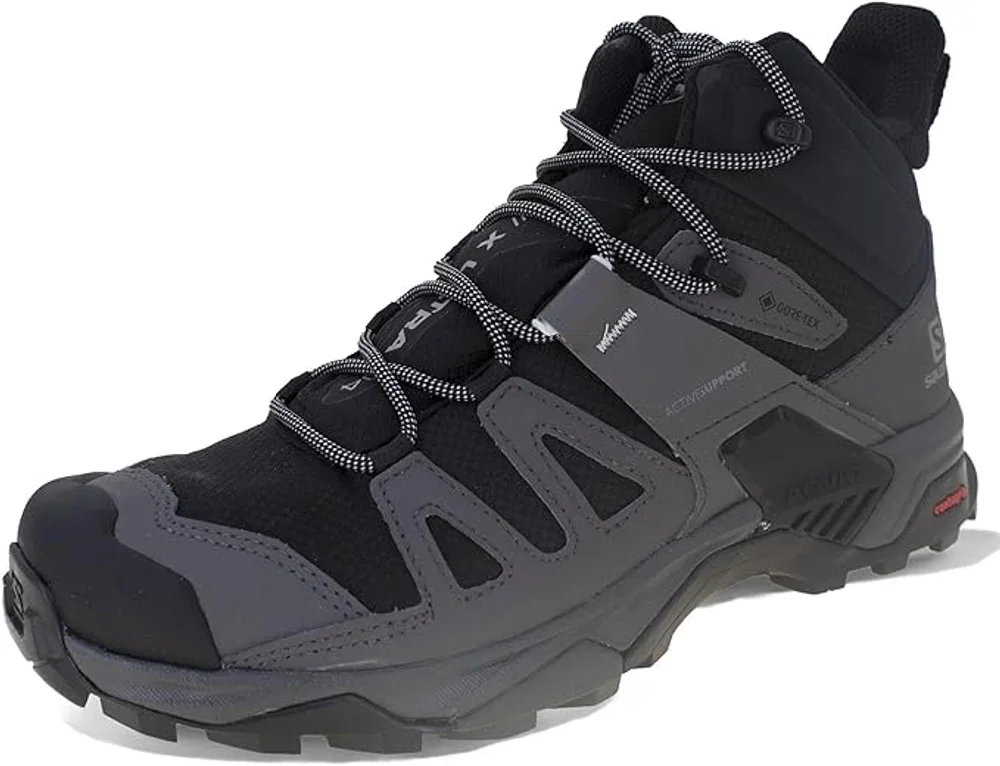
Best Waterproof Hiking Shoes for Men in 2026
When wet conditions are part of your hiking plans, waterproof footwear transforms from a luxury to a necessity. Whether you’re crossing streams, hiking through morning dew, or navigating trails during rainy seasons, the right waterproof hiking shoe keeps your feet dry and comfortable mile after mile.
Understanding Waterproof Technologies
Not all waterproof membranes are created equal. Gore-Tex remains the industry standard, offering proven water protection with reasonable breathability. Gore-Tex lined shoes can handle full submersion while still allowing some moisture vapor to escape.
Proprietary membranes like Merrell Waterproof, KEEN.DRY, and Columbia OutDry offer similar protection at different price points. OutDry is notable for bonding directly to the shoe’s exterior, preventing the outer fabric from absorbing water in the first place.
Sealed seams are essential for true waterproof performance. Even the best membrane fails if water can seep through stitching. Look for taped or welded seams in critical areas.
The Breathability Trade-Off
Every waterproof membrane involves a breathability compromise. The same barrier that keeps water out also restricts how quickly moisture vapor from your feet can escape. In hot conditions, this can lead to sweaty feet even when trails are dry.
For warm weather hiking in areas with occasional rain, consider water-resistant treatments over full waterproof construction. Save the Gore-Tex for genuinely wet conditions where dry feet matter most.
Maintain your waterproof shoes to extend their protection:
- Clean after hikes - Mud and debris degrade waterproof membranes over time
- Dry properly - Remove insoles and air dry away from direct heat sources
- Reapply DWR - Durable water repellent treatments wear off; refresh with spray treatments
- Store dry - Never store waterproof shoes when damp; mildew damages membranes
When to Choose Waterproof
Waterproof hiking shoes excel in these scenarios:
- Spring hiking when snowmelt makes trails wet
- Pacific Northwest and other consistently rainy regions
- Stream crossing routes where you’ll be in and out of water
- Multi-day backpacking when dry feet prevent blisters
For desert hiking or dry summer conditions, breathable non-waterproof options often provide better overall comfort.