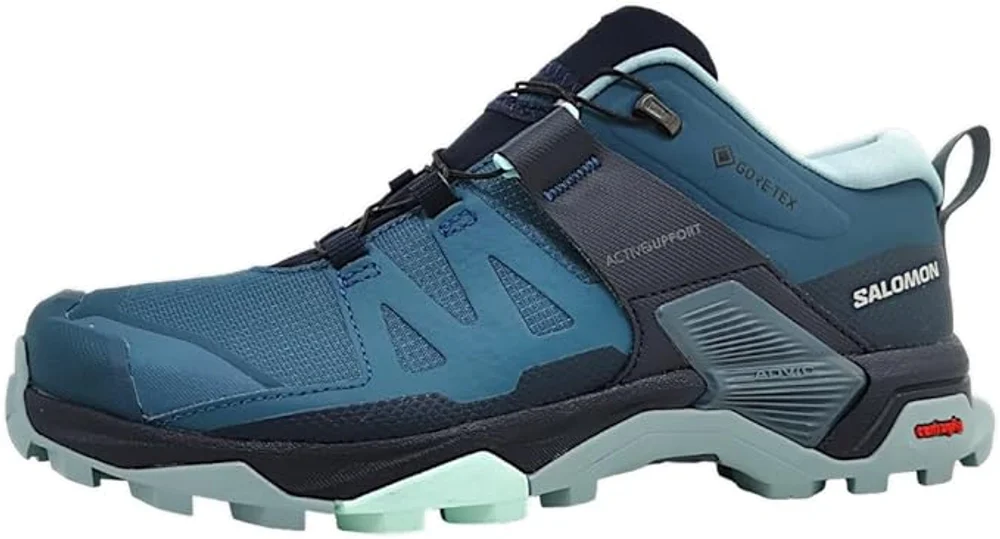
Best Lightweight Hiking Shoes for Women in 2026
Lightweight hiking shoes have transformed how women experience trails. By prioritizing agility over heavy protection, these shoes let you move faster, hike longer, and enjoy the trail more. For day hikers, thru-hikers, and anyone who values speed and comfort over ankle-height support, lightweight options deliver exceptional performance.
The Case for Lightweight Hiking
Heavy hiking boots made sense when trails were rougher and packs were heavier. Modern trail construction, lighter gear, and improved shoe technology have changed the equation. Today’s lightweight hiking shoes provide adequate protection and support for most trail conditions while dramatically reducing the energy cost of hiking.
Science supports the switch: every ounce on your feet requires roughly five times more energy than an ounce on your back. Dropping from traditional 2-pound boots to sub-11-ounce lightweight shoes can meaningfully reduce fatigue, especially on longer hikes. You’ll maintain a better pace with less effort and likely finish the day feeling fresher.
When Lighter is Better (And When It’s Not)
Lightweight hiking shoes shine in specific scenarios. Day hikes on maintained trails, fast-and-light backpacking with ultralight gear, thru-hiking where every gram counts, and warm-weather hiking all favor lighter footwear.
Some conditions still call for heavier footwear. Carrying loads over 30 pounds benefits from additional support. Technical terrain with sharp rocks demands more underfoot protection. Cold, wet environments require insulation and waterproofing that inherently add weight. Know your conditions and choose accordingly.
Balancing Weight vs Protection
Ultralight comes with trade-offs. Understanding them helps you choose the right shoe:
Cushioning: Lighter shoes have thinner midsoles. Your feet feel the trail more, which can be good for technique but may cause fatigue on rocky terrain.
Durability: Lightweight materials don’t last as long. Plan to replace trail shoes more often than traditional boots.
Ankle support: Low-cut designs provide almost no ankle protection. Strong ankles and careful foot placement become essential.
Weather protection: Most lightweight hikers sacrifice waterproofing for breathability. Feet get wet in stream crossings but dry quickly afterward.
Lightweight Hiking for Different Trail Types
Well-maintained trails: Any shoe in our selection works well. Choose based on fit and cushioning preference.
Rocky, technical terrain: Look for more protective midsoles and toe bumpers. La Sportiva TX Guide excels in these conditions.
Soft, muddy trails: Shoes with aggressive lugs grip better than flatter treads.
Technical scrambling: Approach shoes with sticky rubber provide precision when you need to edge on rock.
Mixed running and hiking: Trail runner crossovers like the Salomon Sense Ride 5 handle both activities well.