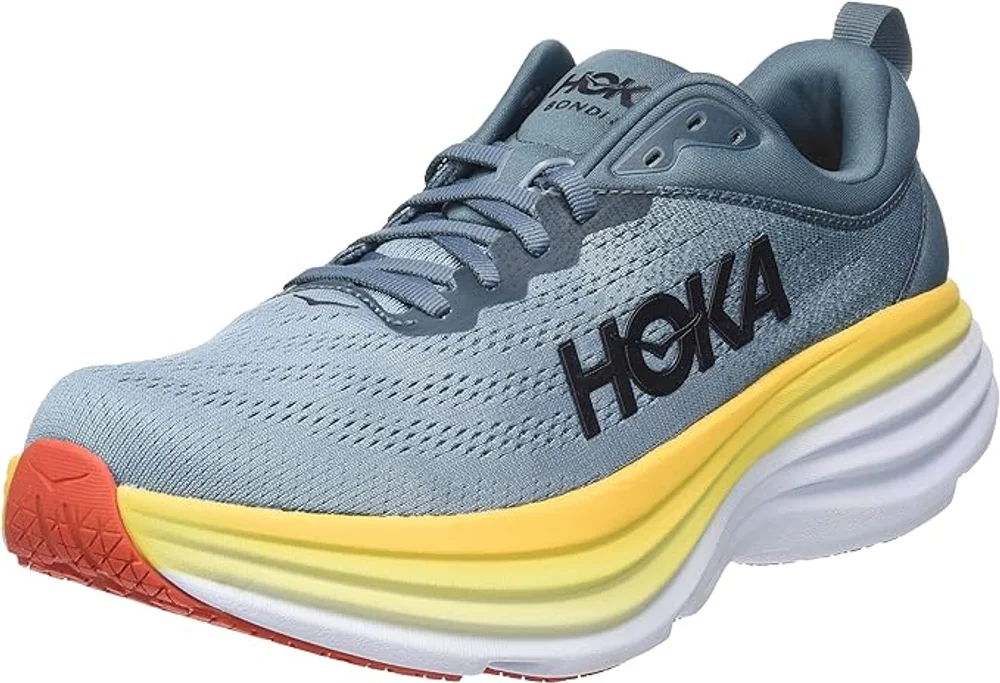
Best Shoes for Male Nurses in 2026
Nursing demands more from your feet than almost any other profession. Twelve-hour shifts, miles of walking on hard hospital floors, and the constant threat of spilled fluids create a unique set of requirements. The right nursing shoe combines relentless cushioning, slip-resistant performance, and easy-clean materials to keep you comfortable and safe through the longest shifts.
What Makes a Great Nursing Shoe
Slip resistance tops the priority list. Hospital floors see water, bodily fluids, cleaning solutions, and spilled medications. A slip can mean injury to you or a patient. Look for shoes tested to ASTM slip-resistance standards or those specifically designed for healthcare environments.
All-day cushioning prevents the fatigue that builds over 12-hour shifts. Premium midsole technologies like Hoka’s EVA foam, Brooks DNA LOFT, and Dansko’s rocker bottoms distribute impact forces across thousands of steps.
Easy-clean uppers handle the inevitable spills. Leather and synthetic materials wipe down quickly. Some healthcare-specific shoes feature fluid-resistant coatings that prevent absorption.
Understanding Slip Resistance Standards
Slip-resistant shoes are tested using standardized protocols:
- ASTM F2913 tests slip resistance on wet and oily surfaces using a tribometer
- ASTM F1677-05 Mark II (referenced by Skechers) tests on wet and contaminated surfaces
- APMA (American Podiatric Medical Association) acceptance indicates the shoe promotes foot health
Shoes designed for healthcare typically exceed these standards, but verify specific ratings before purchasing.
Even the best shoes can’t prevent foot problems if you ignore care:
- Replace insoles every 3-6 months as cushioning degrades
- Rotate between two pairs to allow foam recovery
- Wear compression socks to reduce swelling and improve circulation
- Stretch before and after shifts to prevent plantar fasciitis
- Consider custom orthotics if you have specific arch support needs
Breaking In New Nursing Shoes
Some shoes, particularly Dansko clogs, require a break-in period:
- Start gradually - Wear new shoes for short periods before a full shift
- Use them at home first - Walk around the house to soften materials
- Don’t debut on a 12-hour shift - Breaking in shoes during a long shift invites blisters
- Expect 1-2 weeks for leather uppers to mold to your feet
Athletic-style nursing shoes from Hoka, Brooks, and Skechers typically require minimal break-in due to their soft, conforming materials.