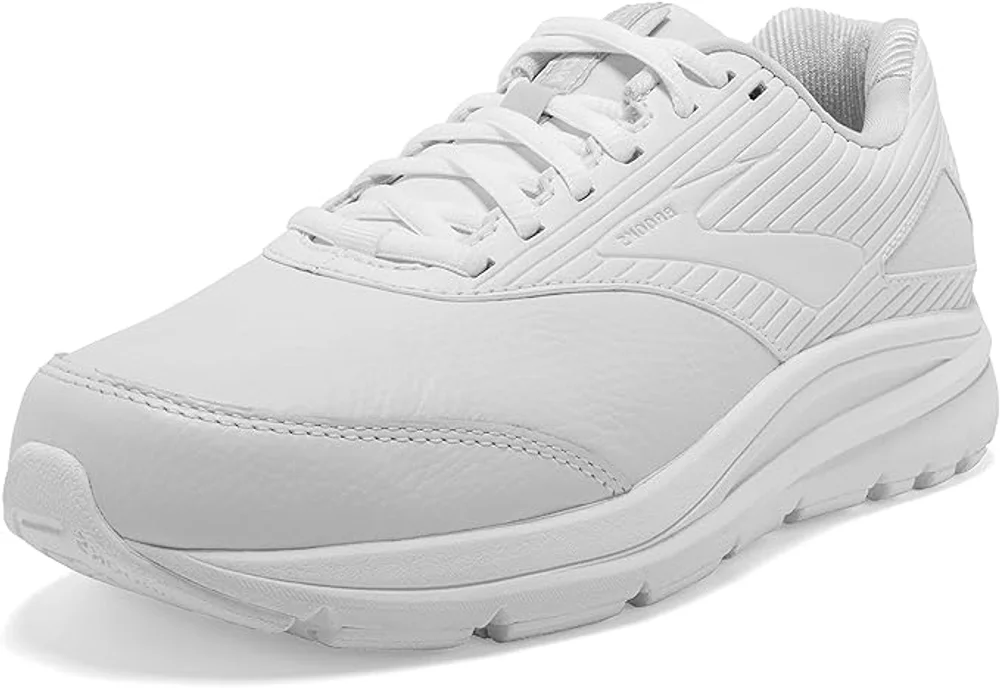
Best Walking Shoes for Flat Feet (Women’s) 2026
Flat feet affect about 20-30% of the population and can make walking uncomfortable without proper footwear. The right shoes provide the arch support and motion control that flat feet lack naturally, turning painful walks into comfortable exercise.
Understanding Flat Feet and Overpronation
Flat feet occur when the arch of your foot collapses or never fully develops, causing your entire sole to make contact with the ground. This condition leads to overpronation, where your foot rolls excessively inward during the walking gait. Over time, untreated overpronation can cause knee pain, hip alignment issues, and plantar fasciitis.
Not all flat feet are created equal. Some people have flexible flat feet that show an arch when sitting but flatten under body weight. Others have rigid flat feet with no arch in any position. The level of support you need depends on your specific condition and how much your foot rolls during walking.
How Stability Shoes Work
Stability and motion control shoes address flat feet through several design features. Medial posts are firmer foam sections on the inner side of the midsole that resist the inward rolling motion. Guide rails or support frames wrap around the heel and midfoot to keep your foot aligned throughout your stride.
Structured heel counters prevent your heel from wobbling, which reduces the cascading effect of overpronation up your kinetic chain. Firm arch support fills the gap where your natural arch would be, distributing pressure more evenly across your foot.
Signs You Need Arch Support
Several indicators suggest you may benefit from stability walking shoes. Look at the wear pattern on your current shoes. If the inner edge shows significantly more wear than the outer edge, you’re likely overpronating. Foot pain after walking, especially in the arch or heel, often indicates inadequate support.
Check your wet footprint. If the entire sole prints with no curve at the arch, you have flat feet. Also consider family history, as flat feet often run in families. If walking causes knee pain or lower back discomfort, improper foot alignment may be contributing.
Custom Orthotics vs. Built-In Support
The shoes on this list provide substantial built-in arch support, but some walkers need additional help. Custom orthotics prescribed by a podiatrist address your specific foot structure and gait issues. However, they require a removable insole and add $200-$500 to your footwear cost.
Many people with moderate flat feet find built-in stability features sufficient. Try a quality stability shoe first before investing in custom orthotics. If you still experience pain after a proper break-in period, consult a foot specialist about custom solutions. Some shoes on this list, like the New Balance models, have removable insoles that accommodate custom orthotics if needed.