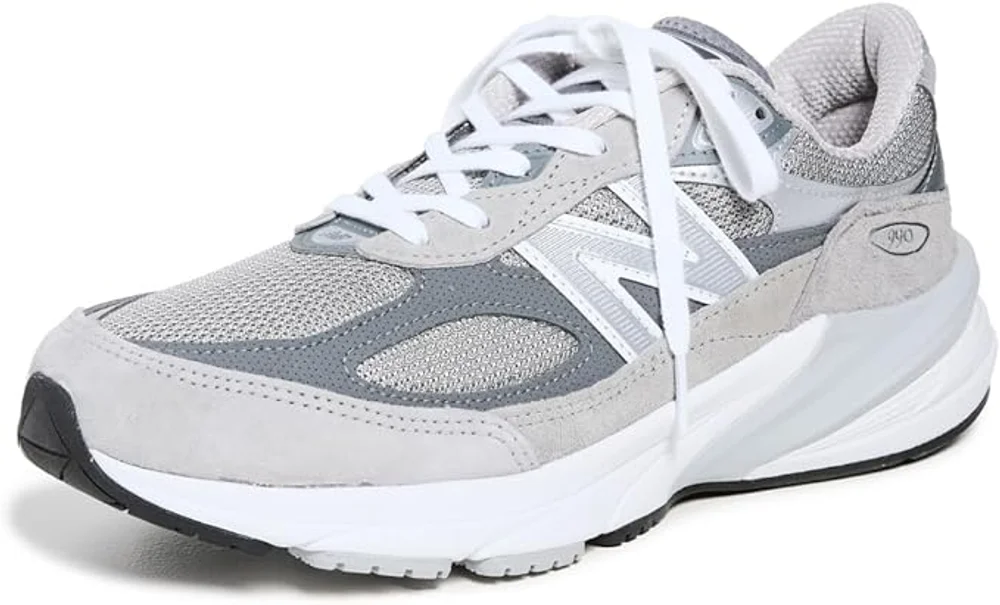
Best Shoes for Wide Feet (Women’s) 2026
Finding properly fitting shoes is a persistent challenge for women with wide feet. The fashion and athletic footwear industries have historically prioritized narrow to standard widths for women, leaving wide-footed women to either size up and deal with excess length or squeeze into shoes that cause bunions, hammertoes, and daily discomfort. The good news is that major brands now offer genuine wide-width options built on dedicated women’s lasts, and the shoes on this list represent the best of those offerings.
Women’s Width Sizing Explained
Women’s shoe widths differ from men’s. For women, B is standard, D is wide, and 2E is extra-wide. This is offset from men’s sizing, where D is standard. The actual millimeter measurements are the same, so a women’s D width equals a men’s D width at corresponding foot measurements. Understanding this distinction matters when shopping, especially if you are comparing across brands or considering unisex options. Saucony and New Balance lead in offering the broadest range of women’s widths, with some models available up to 2E.
Wearing shoes that are too narrow does more than cause immediate discomfort. Over months and years, consistently tight shoes can contribute to bunion development, Morton’s neuroma (nerve inflammation between toes), hammertoes, and chronic pain that limits mobility. Women with wide feet who switch to properly fitted wide shoes often report dramatic reductions in foot pain, fewer calluses and corns, and improved balance during walking and exercise. Investing in shoes built for your actual foot width is a health decision, not just a comfort preference.
Finding Your True Width
Have both feet measured on a Brannock device at a shoe store, measuring in the afternoon when your feet are at their largest. Measure standing up with weight on both feet. Note that your two feet may be different widths, and you should always fit to the wider foot. When trying shoes on, check that you can press gently on the widest part of the shoe without feeling your foot against the sides. Your pinky toe should sit comfortably without being pushed inward, and you should have about a thumb’s width of space at the front.
Affiliate Disclosure: As an Amazon Associate I earn from qualifying purchases. This page contains
affiliate links. If you make a purchase through these links, we may earn a commission
at no extra cost to you.